
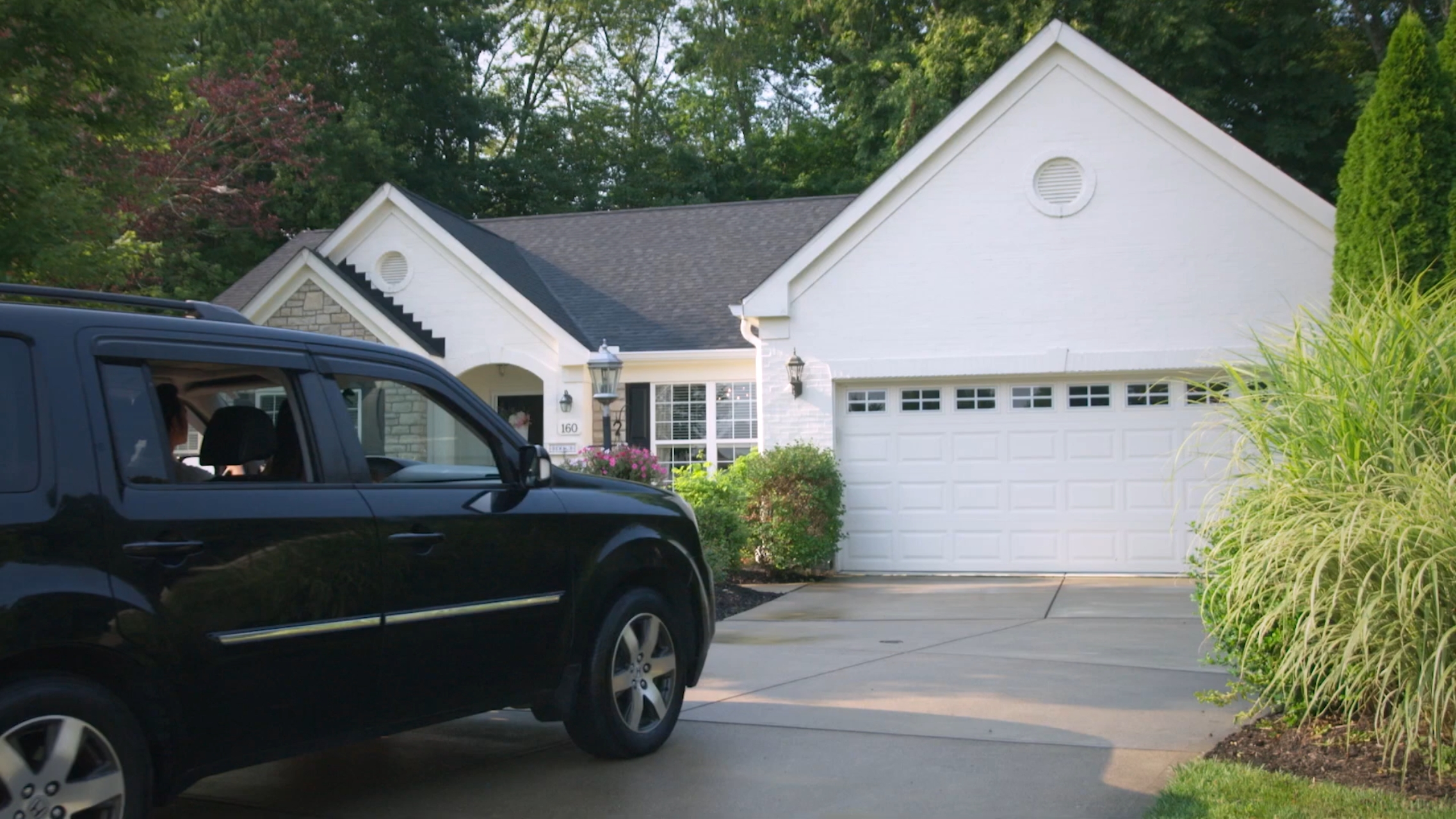
A short clip of a happy couple driving up to a house for a home inspection by HomeTeam employees.
HomeTeam of Rutherford County
(615) 267-3007- 37020
- 37037
- 37060
- 37085
- 37086
- 37118
- 37127
- 37128
- 37129
- 37130
- 37132
- 37149
- 37153
- 37167
- 37190
- Bell Buckle
- Christiana
- Eagleville
- La Vergne
- Lascassas
- Milton
- Murfreesboro
- Readyville
- Rockvale
- Smyrna
- Woodbury
Fast, Trusted, Accurate
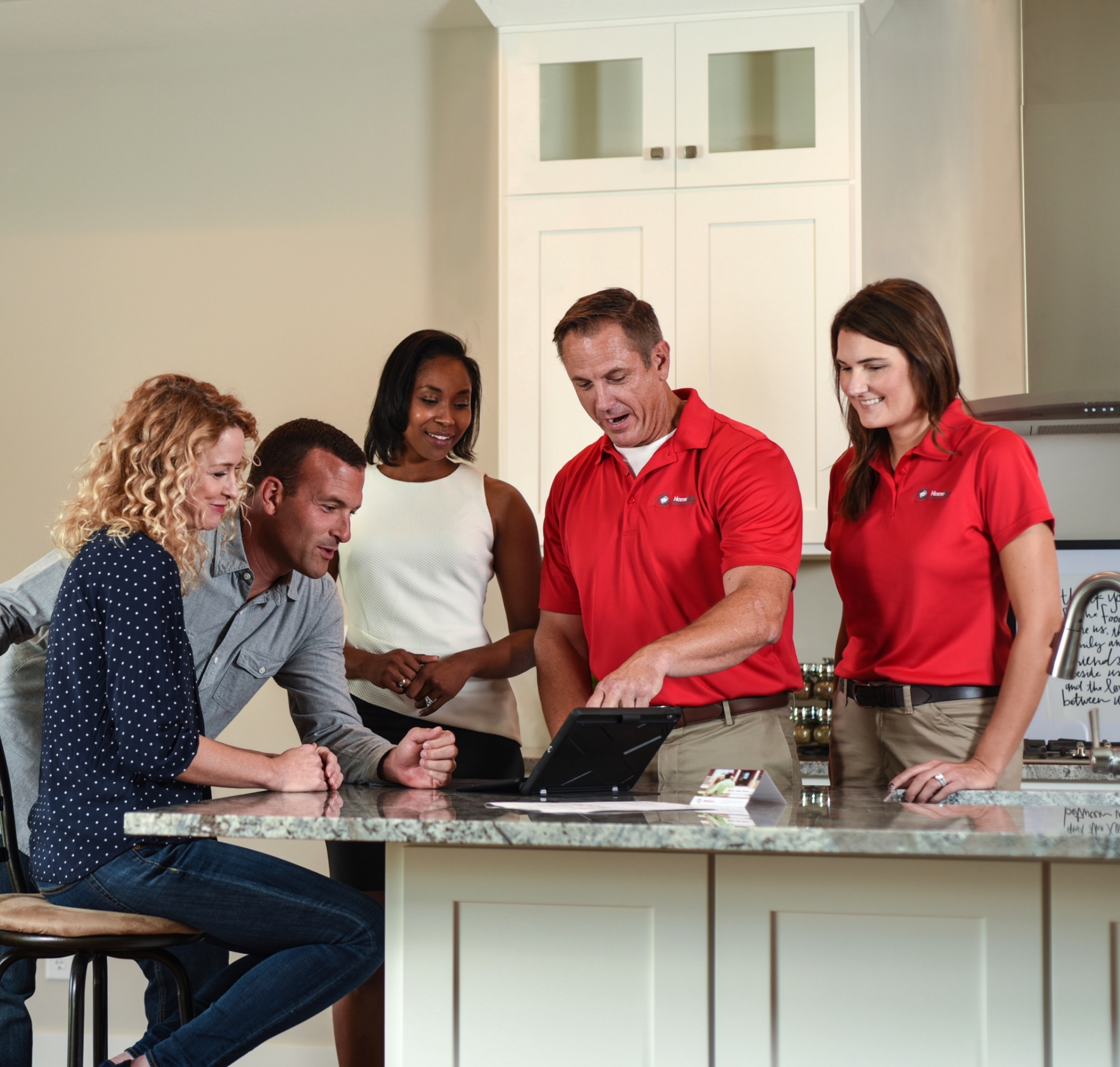
In addition to home inspections, HomeTeam of Rutherford County also offers radon testing and mold tests. Our licensed inspectors use a detail-oriented, team approach that allows us to be thorough, accurate, and finish the job in half the time. Our easy-to-read report will benefit you today and long into the future, and we’ll be happy to answer any questions you may have.
We offer online scheduling, so request a service today and discover why we are considered one of the most trusted inspection companies in North America.
HomeTeam Has
Numerous Awards for
Fast, Trusted & Accurate
Service
Keller Williams Approved Vendor Program members are business entities independent from Keller Williams Realty, Inc. Neither Keller Williams Realty, Inc. nor its affiliated companies warrant HomeTeam Inspection Service, their products, or their services.





Hear From Our Customers
-
"The inspectors were extremely knowledgeable and helpful. They were very thorough, and took time to explain the process and the findings in great detail. I was definitely impressed and would highly recommend this team in the future." - J.V
-
"The HomeTeam Inspection staff were extremely thorough, professional, and friendly. We were given a one-on-one review of findings at the end of the inspection followed by a fully detailed report. Very impressed by the entire process." - P.A
-
"I thought the inspection was thorough and captured both the short and long term concern areas." - K.F